The 90-Minute Soft Play Clock: A Minute-by-Minute Plan for Toddlers Who Peak Before Lunch
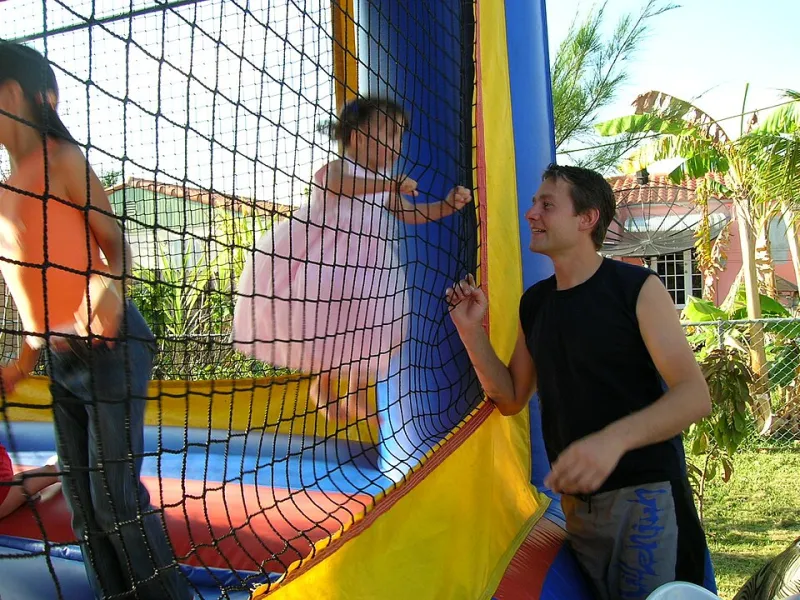
Photo: Matthew Hoelscher from Doral, FL, USA, CC BY-SA 2.0, via Wikimedia Commons
Soft play is a brilliant invention until it is not. One minute your toddler is scaling a foam ramp with the confidence of a tiny mountaineer; the next, they are lying on the floor because somebody looked at them the wrong way. The secret is not avoiding soft play. It is leaving before the wheels come off.
This is a realistic 90-minute plan for toddlers who peak early. It is not a military operation. It is a loose script you can bend around your child, the queue at the cafe and the fact that the car park is always further away than you remember.
Why 90 minutes?
Most toddlers have a sweet spot of about an hour to an hour and a half in a busy play space. After that, hunger, tiredness and the sheer noise of thirty small people throwing themselves down a slide start to take over. Ninety minutes gives you time to arrive, play, snack, play again and leave without sprinting for the door.
The 90-minute timetable
0-10 minutes: arrival and sock check
Do not rush in. Find a spot, take off shoes and coats, and check that everyone has socks on. Soft play socks are one of those things parents forget until they are standing at the till. Keep a spare pair in the car. Use this time to point out the toilets and agree where your base camp is.
10-25 minutes: first play burst
Let them loose while the place is still calm. Toddlers often do best when they get the big energy out early. Stay close enough to be useful, but not so close that you become a human climbing frame. If there is a baby area, use it for a gentle warm-up.
25-40 minutes: snack window
This is the bit most parents skip and then regret. A snack at the 25-minute mark can buy you another happy half hour. Bring water and something simple: a banana, a small sandwich, a couple of biscuits. Avoid anything that melts, crumbles into a thousand pieces or requires a spoon. If the cafe queue is huge, have your own snack ready.
40-55 minutes: second play burst
Now your toddler is fed and still interested. This is the golden window for the big slide, the ball pit or whatever has been the main attraction. Keep an eye on the clock. The goal is to leave while they are still enjoying it, not after the fun has curdled.
55-65 minutes: toilet dash and regroup
Do not wait for the hand-on-crotch signal. Around the hour mark, take everyone to the toilet. It is easier now than during the final meltdown. Wash hands, have a drink and put the socks back on properly. This is also a good time to check your exit route and gather shoes.
65-80 minutes: quiet play and wind-down
If your child is still happy, choose a calmer corner. A book, a small car, a puzzle or a gentle slide can help bring the energy down. If they are already showing signs of tiredness, skip this and go straight to the exit. A calm five minutes is better than a frantic fifteen.
80-90 minutes: the golden exit
Leave before the tears. This is the rule that saves birthdays, weekends and your sanity. Say the goodbye clearly: we are going home now, we had fun, we will come back another day. Do not promise one more go unless you mean it. The car park is not the place for a negotiation.
Signs it is time to leave
The first sign is usually physical. Your child starts rubbing their eyes, yawning or flopping against your leg. The second sign is social: snatching, pushing or crying because another child has a balloon. The third sign is the bargaining: one more slide, one more go, one more everything. If you hear yourself saying just five more minutes, you are probably already past the golden exit.
Other clues include a sudden obsession with the snack bag, a refusal to wear socks, or a toddler who wants to be carried after insisting they are a big kid. None of these are emergencies. They are messages from a small person whose battery is running low.
UK weekend tips
Weekend soft play sessions can be busy. Book the first session of the day if you can. It is usually quieter, cleaner and easier for toddlers who wake up early anyway. Avoid the 10.30am to noon window if you can; that is when birthday parties, football clubs and every other family in the postcode seem to arrive at once.
Check the car park situation before you go. Some venues have tiny car parks and big queues. Take a spare pair of socks, a water bottle and a snack that does not need refrigeration. If you are meeting friends, agree a meeting point before you go in. Mobile signal inside a soft play centre is often a rumour.
And if you are heading to a party, remember that the party room timetable is not your timetable. You may need to leave earlier than the cake. That is allowed. A happy exit beats a heroic stay.
Adapt it to your child
Some toddlers need a longer snack window. Some need to run for forty minutes before they can even look at a snack. Some hate the ball pit and love the books. The 90-minute clock is a guide, not a test. Watch your child, not the clock. If they are thriving at 70 minutes, stay a little longer. If they are done at 50, go. The best soft play session is the one that ends before anyone has to be carried out like a tiny, furious starfish.
Keep the plan in your head, keep the spare socks in the car and keep the exit sweet. That is the whole trick.